
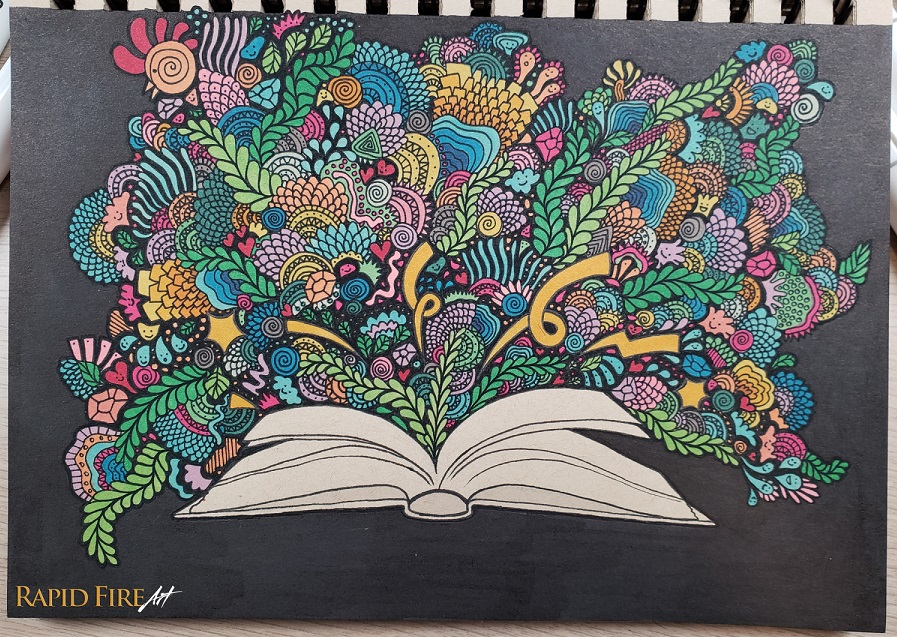
A while back, I went through a pretty frustrating artist block. For those of you who’ve followed my work for a while, you know I mostly draw realistic portraits. I find them really rewarding, but whenever I go from a finished piece to the next blank page, there’s this huge psychological hurdle.
I knew I needed to keep drawing so I wouldn’t get rusty, so I started filling my sketchbook with anything and everything. What helped most was removing the pressure of creating something impressive or perfect and relearning how to just enjoy drawing again.
If you’re bored, stuck in an art block, or just looking for fun things to fill your sketchbook with, here are some creative drawing ideas that helped me get excited about drawing again!
1. Draw Characters Peeking Through Holes
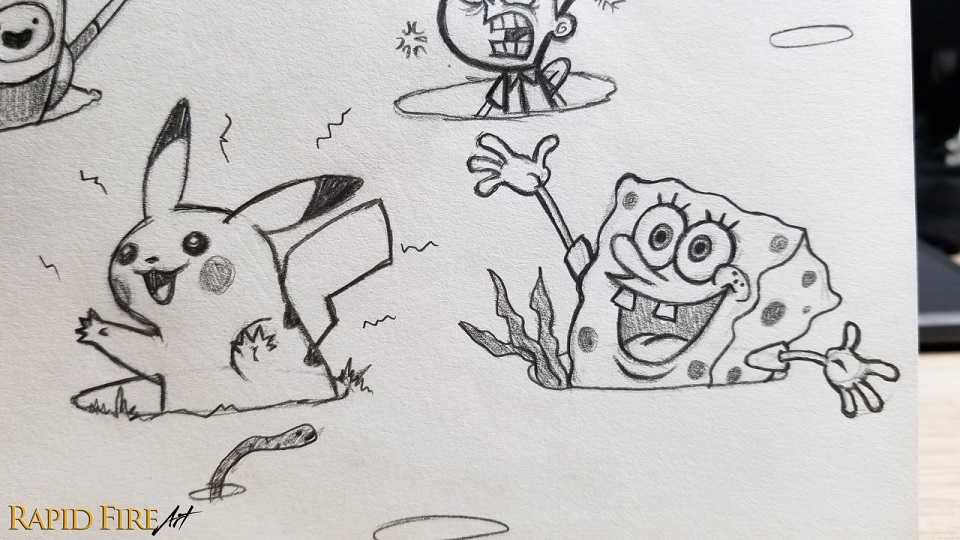
Draw a bunch of oval shapes with some space in between, then pick your favorite cartoon characters, animals, or people and make them peek through or jump through each hole in the ground.
You can decorate the area around each character to match their environment – grass, seaweed, rocks, clouds, whatever fits. I pretty much spent a whole hour on this page because it was so much fun and honestly nostalgic. I’m a 90s kid, so I filled mine with mostly characters from cartoons I grew up watching.
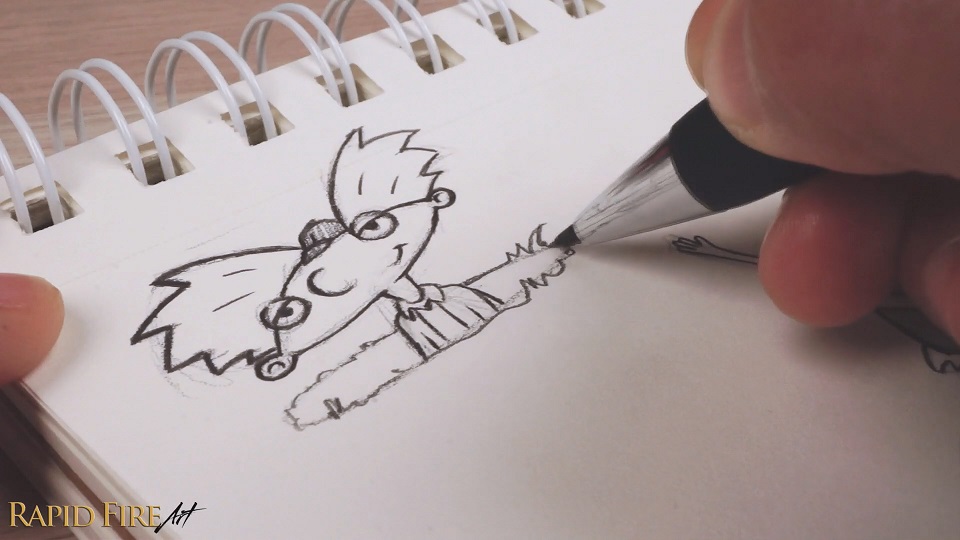
Add as many ovals as you want and try filling the whole page. You can even flip characters upside down so only their legs are sticking out.
2. Mash Different Animals Together
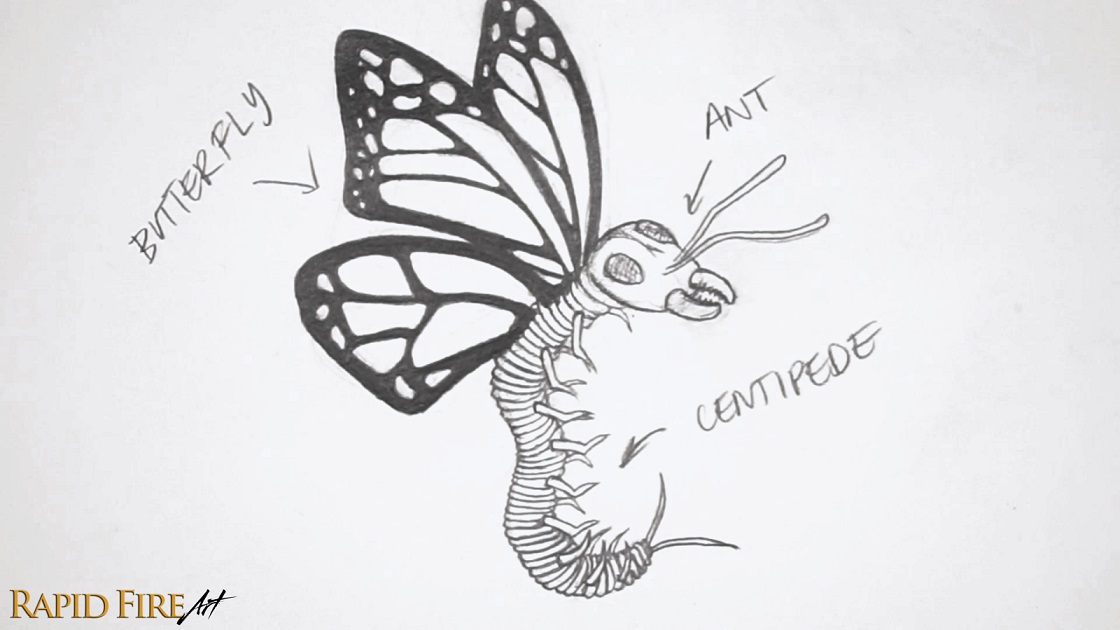
This one is weird in the best way.
Look up pictures of insects, fish, reptiles, or any animals you want, then combine parts from different species to create something completely unique. I chose three very different bugs and smashed them together into one terrifying creature.
I’m not really into drawing butterflies and flowers, but a butterfly-centipede-ant hybrid? Way cooler!
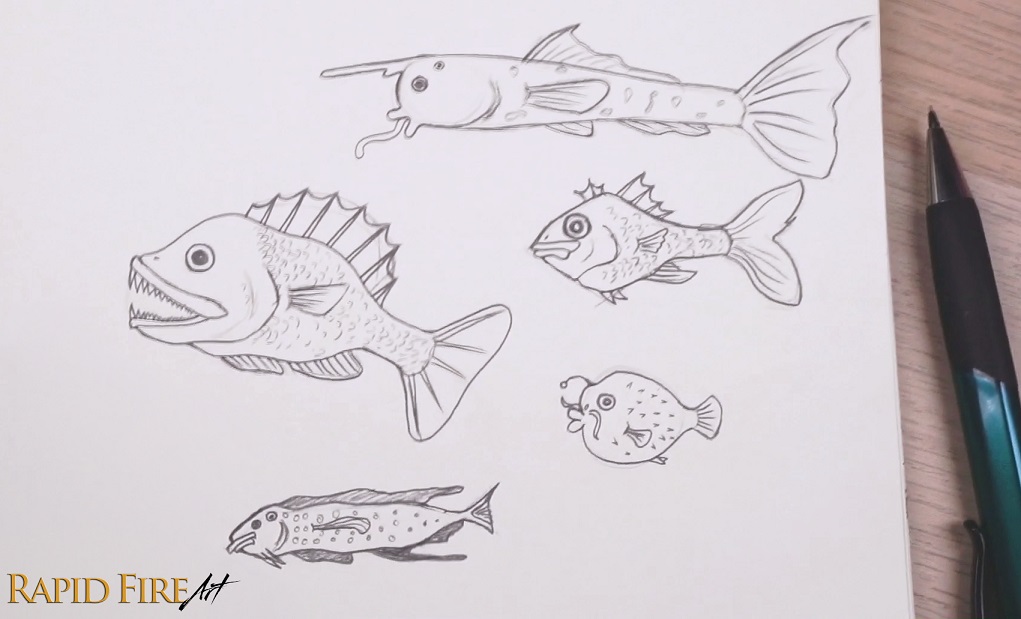
You can also mash together animals from the same category. For example, look up different types of fish and interchange their heads, eyes, fins, bodies, and tails. Or just completely invent something from your imagination.
3. Play With Size
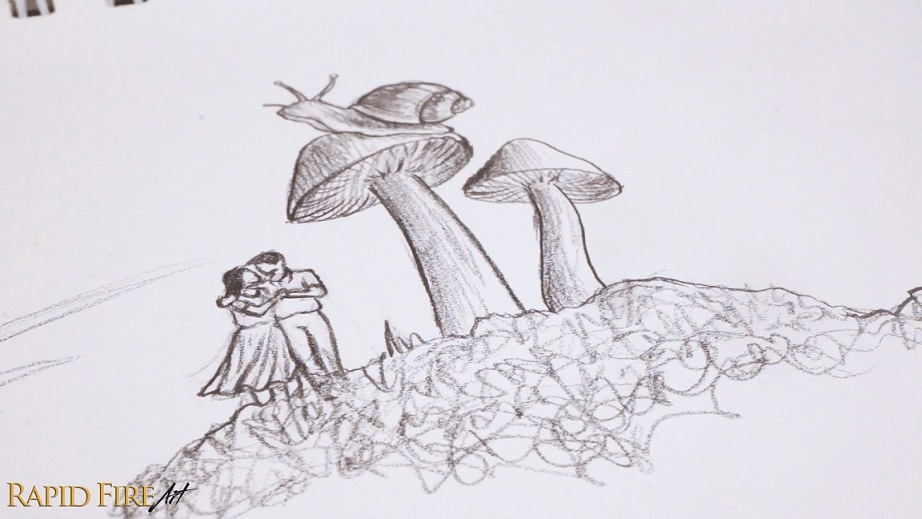
Pick something tiny and make it enormous or vice versa.
Maybe you draw a giant grasshopper terrorizing New York City, or a tiny elephant standing on the tip of a pencil. Draw a background that emphasizes just how huge or small your subject really is.
It’s a simple idea, but it instantly makes a drawing more interesting.
4. Fun Panels
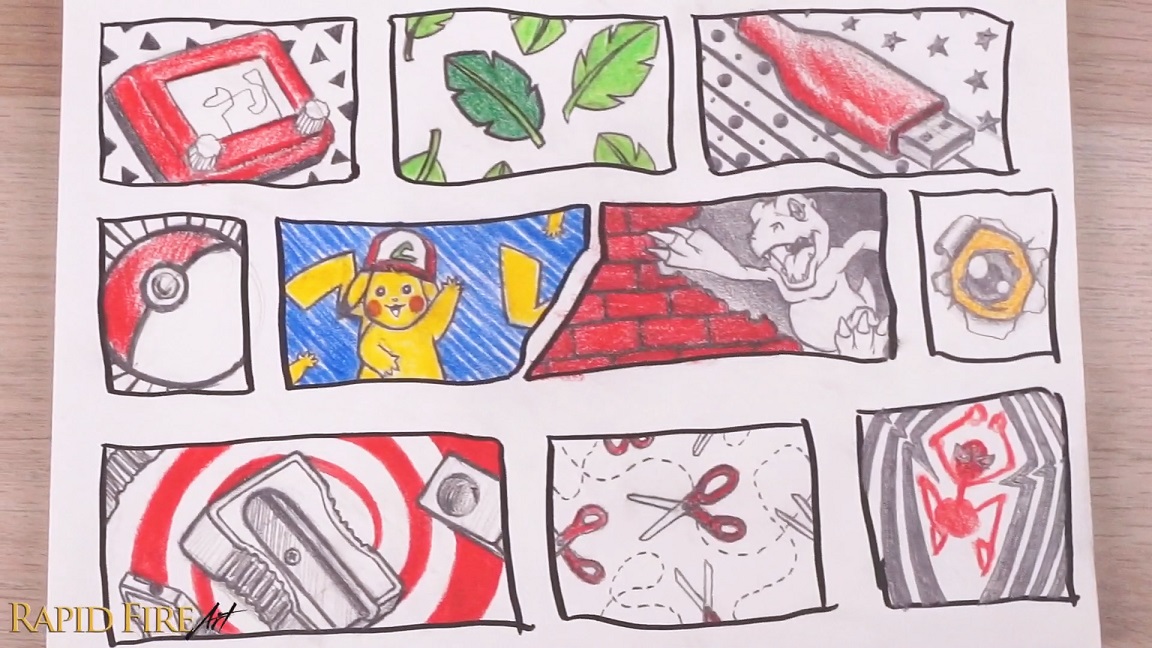
Divide your page into small sections using a grid or random boxy shapes, then fill each section with tiny sketches.
The cool thing is the drawings don’t need to relate to each other at all. Just draw whatever pops into your head. I like adding some color afterward so the page feels more lively.
If one box looks bland, try adding patterns in the background. Even boring objects like a USB cable or pencil sharpener start looking interesting when they’re part of a full page of random little drawings.
The completed page almost reminds me of a sticker sheet or comic page, and the randomness makes it really fun to explore. Also, if you draw something you don’t like, don’t immediately erase it. Try transforming it or working with it instead.
5. Draw One Mundane Object From Multiple Angles
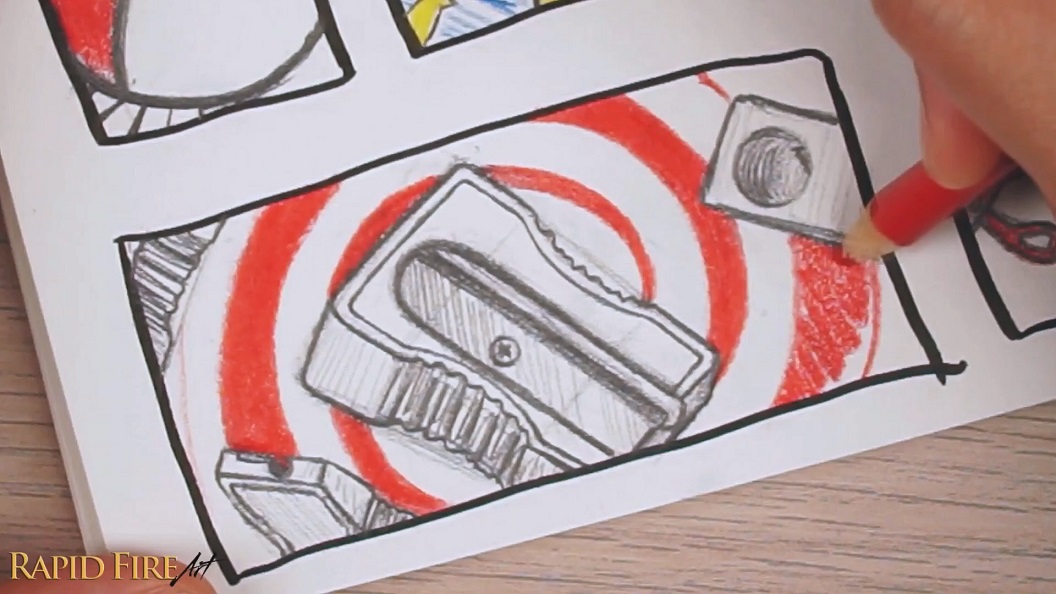
Pick any random object and draw it from as many angles as you can. I drew a pencil sharpener from four different viewpoints and then added a dramatic background to make the image more interesting. You can draw swirls so the objects look like they’re getting sucked into the abyss, or explosions so they appear to be flying toward the viewer.
It’s a surprisingly fun way to study forms while still keeping things creative.
6. Try Continuous Line Drawings
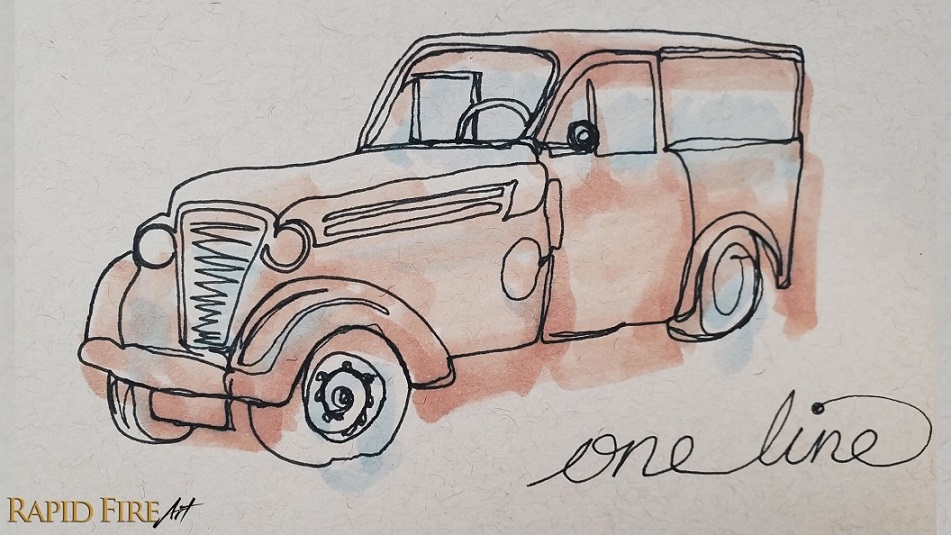
A continuous line drawing is exactly what it sounds like: you create the whole drawing using one unbroken line without lifting your pen.
This exercise is amazing for overcoming perfectionism because you’re forced to keep moving forward instead of obsessing over every mark.
I used a marker instead of pencil, which made it even more challenging because if I paused too long, the ink would bleed. It forced me to stop overthinking and just play.
As I kept doing more of these drawings, I found myself embracing mistakes instead of fighting them.
7. Draw Rusty Machinery or Old Equipment
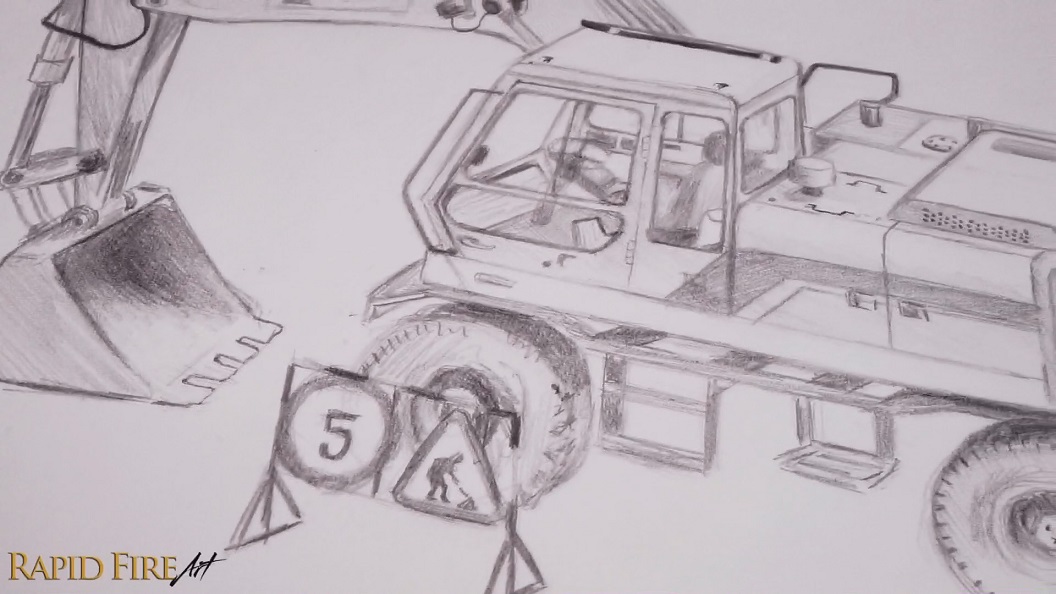
Construction machinery, old farm equipment, exposed wires, hydraulic components. These can all be incredibly fun to draw, especially when they’re rusty, grimy, or falling apart.
The intricate details are what make these sketches interesting. Scratches, dents, bolts, dirt, peeling paint… all of that texture gives you a lot to explore on the page.
8. Try a Zentangle or Zen Doodle
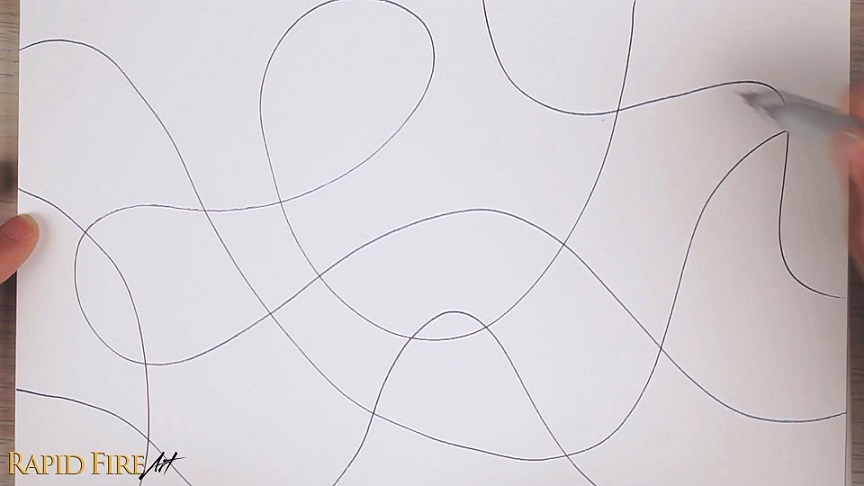
If you ever feel frustrated or stuck, scribble all over the page and start filling the spaces with patterns.
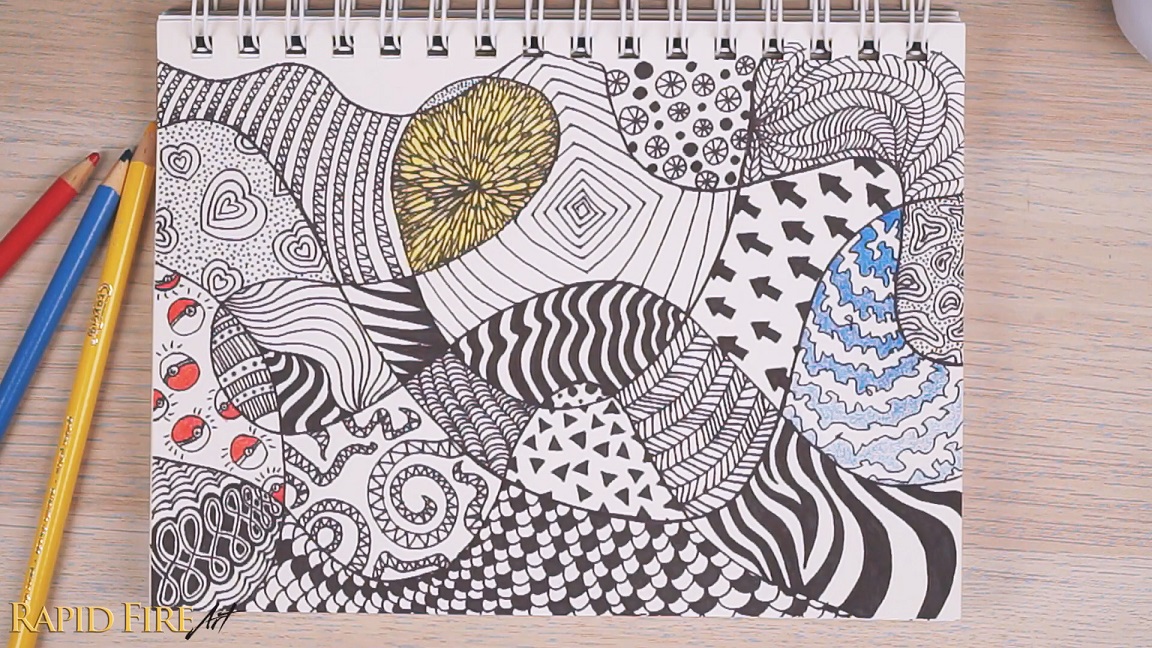
Use lines, dots, zigzags, circles, waves – whatever abstract patterns you want. My first example is kind of a mix between a zentangle and a doodle drawing. I didn’t even realize official zentangles had specific rules when I made it, so I just experimented freely and mixed in some recognizable shapes too.
One thing I love about it is there’s basically zero pressure. You’re not trying to create a masterpiece. You’re just keeping your pencil moving and letting your brain loosen up creatively.
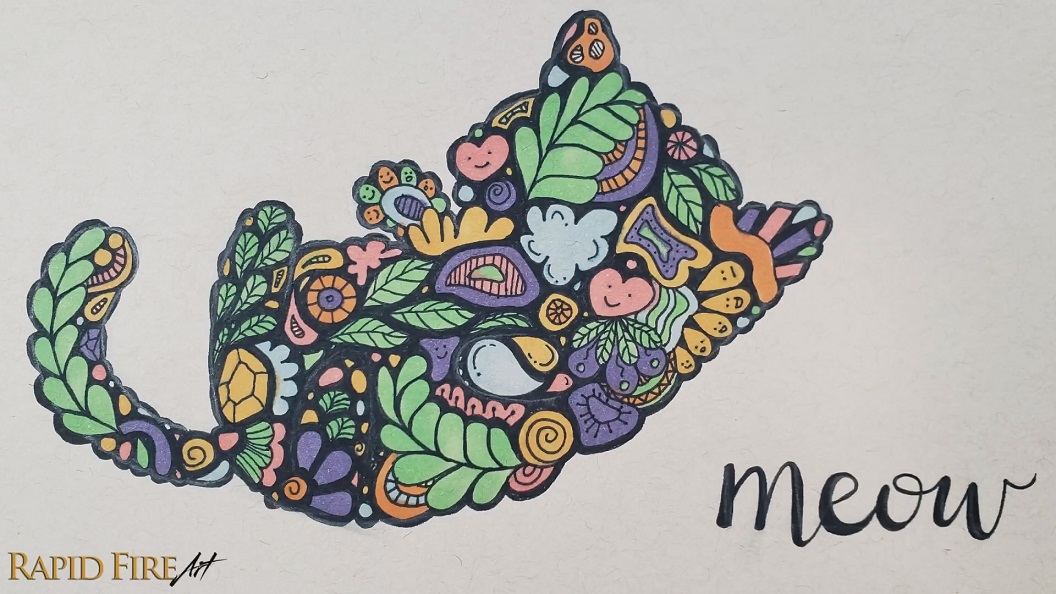
A zendoodle is a little more open and playful. Instead of focusing mostly on abstract patterns, you can mix in doodles, characters, objects, and random little details. You can start by drawing the outline of something simple, like a cat or mushroom, then fill the shape with doodles and patterns. Try squishing the shapes close together so the drawing feels packed with detail.
As I kept going, I started adding little faces and characters into the patterns, and eventually the whole drawing started coming to life.
Coloring afterward is optional, but for me it was the most satisfying part because that’s when the page really started to pop.
Also, you absolutely do not need to finish these in one sitting. I have several unfinished doodle pages that I slowly add to whenever I need a quick warmup. It’s actually hard to stop once I start, so beware! Set a timer haha!
9. Create Random Shapes and Fit Characters Inside Them
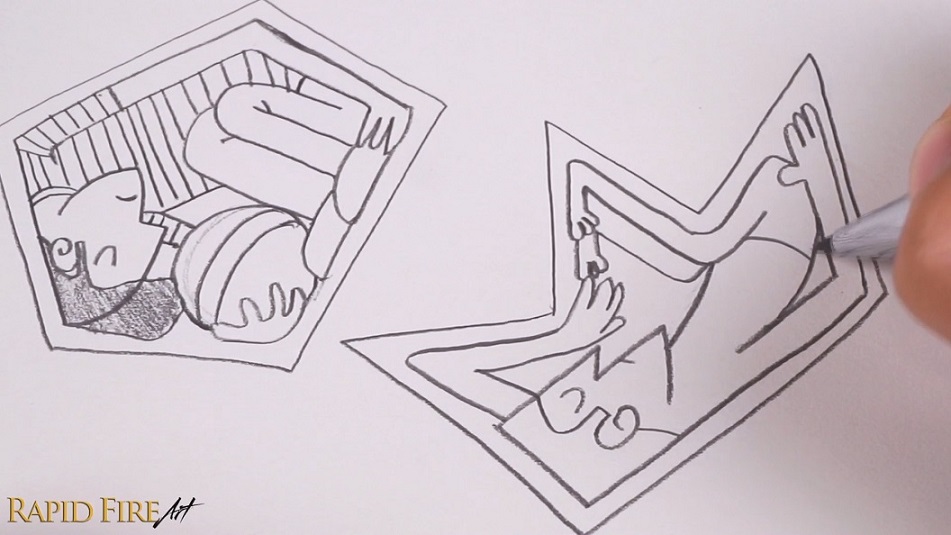
This exercise is one I discovered through a class on Skillshare by Tom Froese called ODD BODIES, and it ended up being one of the most fun sketchbook exercises I’ve tried!
Draw a random shape with fewer than ten sides, then try fitting a person or character inside it. Every shape creates a brand-new challenge, and you’re forced to figure things out as you go.
What I love about this exercise is how freeing it feels. You can bend limbs in impossible ways, stretch proportions, exaggerate poses, and really play with your imagination.
I also discovered that I weirdly love drawing hands and toes in this style. There’s just something funny and expressive about them. Every random shape pushes you to think differently, and figuring out how the body parts fit together makes the final drawing feel really satisfying!
10. Redraw Old Artwork
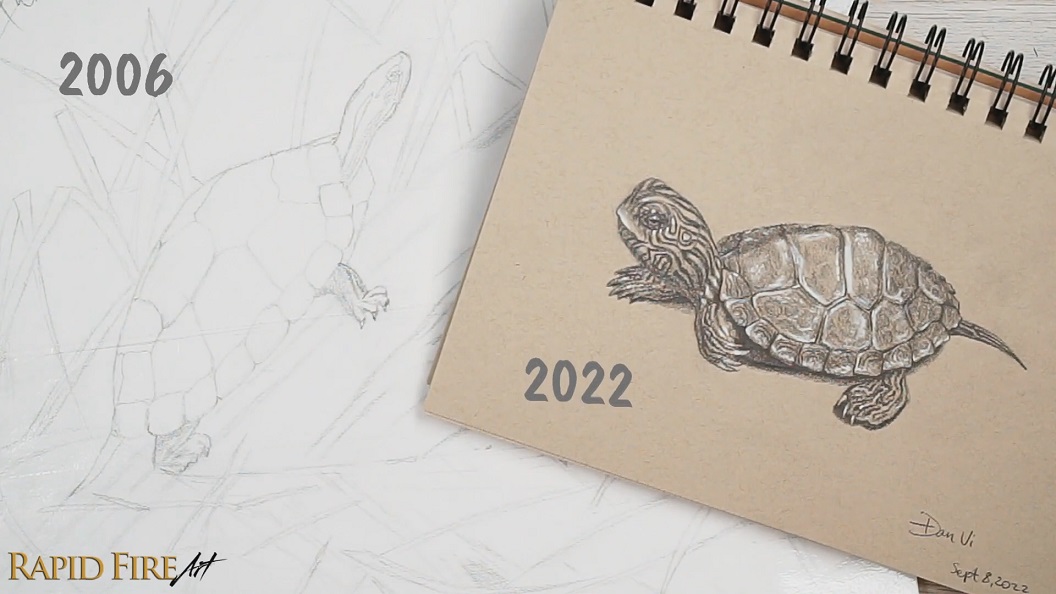
One of the best ways to remind yourself how much progress you’ve made is to redraw an old sketch.
The older the drawing, the better.
I redrew a turtle sketch from 16 years ago and immediately noticed areas I wanted to improve. Back then, I avoided drawing the skin texture because I was afraid I’d ruin the piece. Revisiting it years later made me realize how much more confident I’d become.
Sketchbooks are meant for experimentation, and sometimes it’s nice to look back and physically see your improvement over time. Don’t forget to date your redraws too. Maybe years from now you’ll redraw them all over again!
11. Create Contrasting Worlds
This is probably my favorite sketchbook idea because it lets your imagination completely take over.
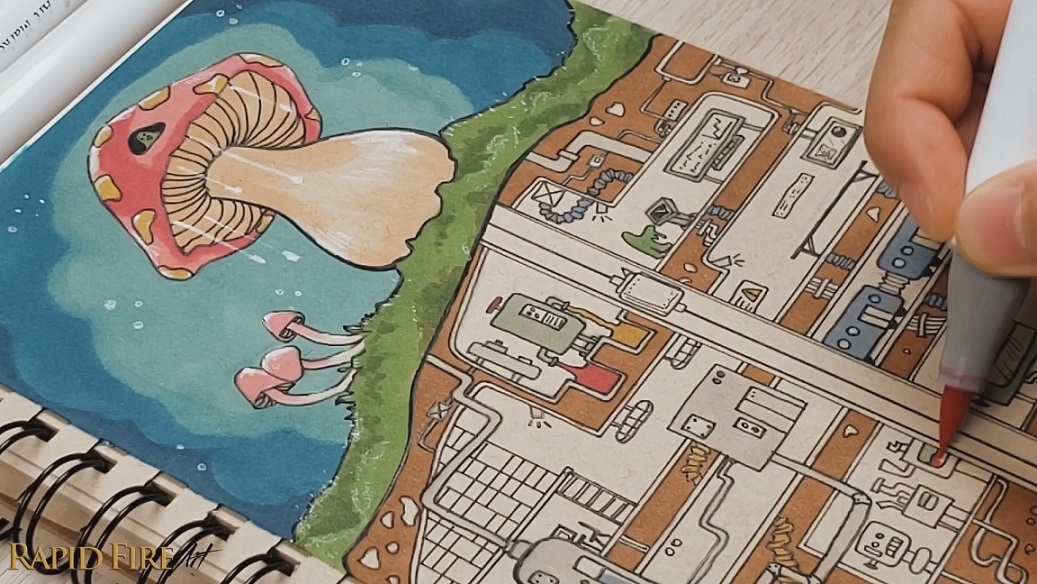
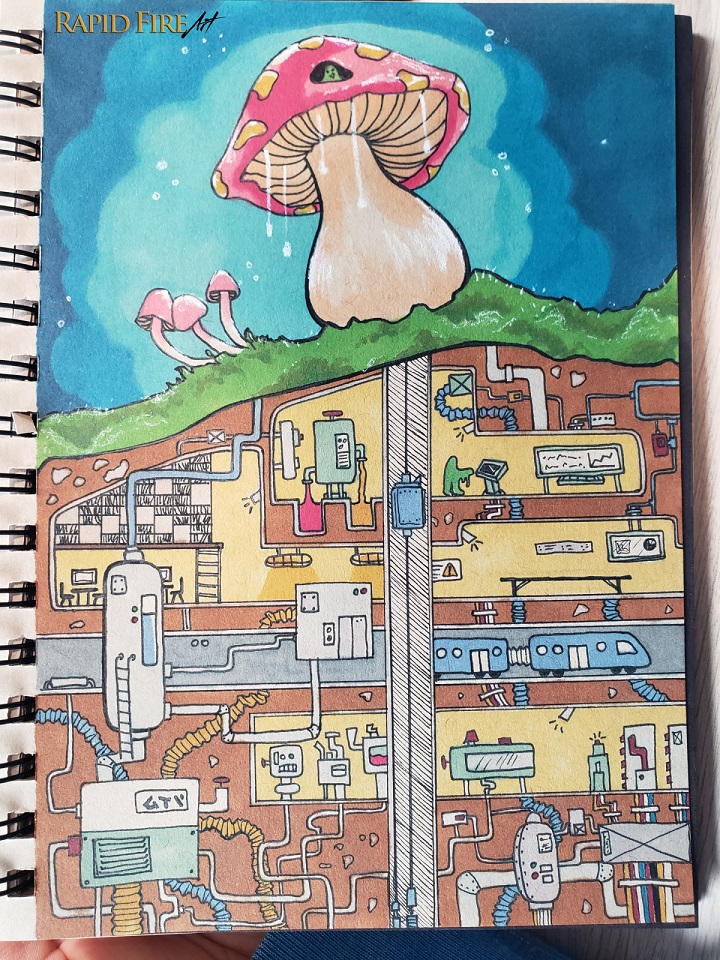
Create two wildly contrasting environments within the same drawing. For example, I drew a peaceful mushroom forest on the surface with a secret underground tech facility hidden below it. Then I started adding strange slimy characters, pipes that connected to nowhere, slime harvesting systems, trains, hidden guards – the whole world just kept building itself as I drew.
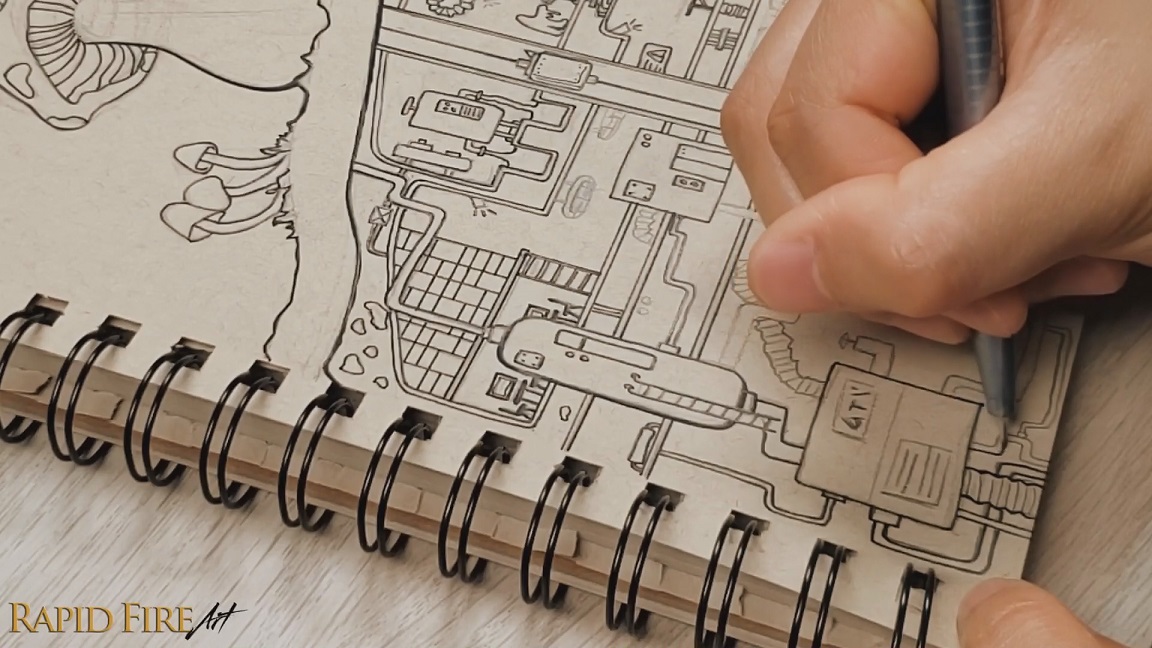
The fun part is you don’t need the full idea planned beforehand. Just sketch one interesting thing and let the drawing evolve naturally.
Try combining ideas that shouldn’t belong together:
- A creepy-crawly rock band beneath a Buddhist temple
- A luxury shopping mall built inside a collapsing ancient ruin
- A futuristic lab inside a giant tree
It’s your world, so nothing needs to make sense.
12. Try a Completely Different Art Style
Sometimes the best way to break out of an art block is to stop drawing the way you normally do.
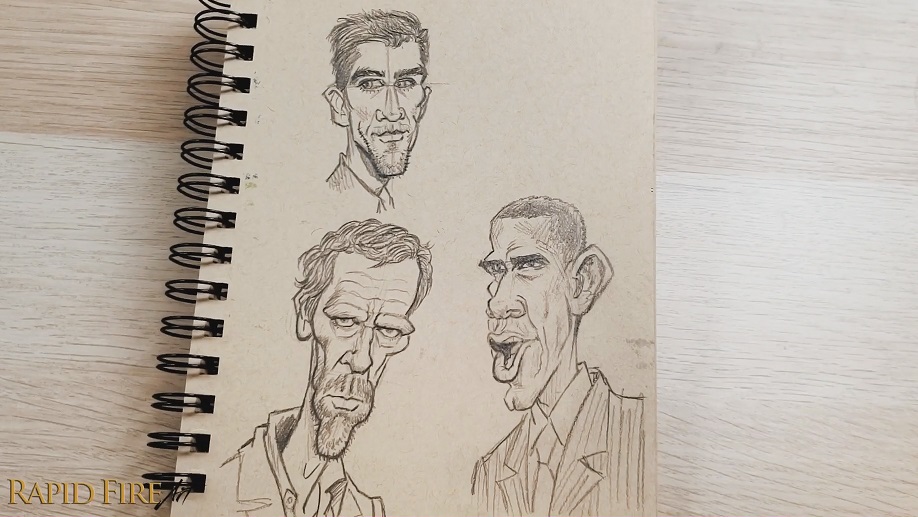
I mostly draw realism, so I started looking at completely different styles of portrait art and eventually got fascinated by caricatures. I loved how artists could exaggerate features so much while still keeping the person recognizable.
At first, drawing caricatures felt intimidating because it was so different from what I usually do. So instead of immediately trying to invent my own, I studied and recreated work from artists I admired like Tom Richmond.
That process helped my brain and hands get comfortable with the style first.
By the third attempt, I was already noticing improvement and getting excited to draw more. That’s one thing I love about sketchbooks. You can actually see the learning process happen on the page. Experimenting with completely different styles helped me mentally reset and eventually made me excited to draw realistically again too.
13. Fill a Page With Tiny Doodles
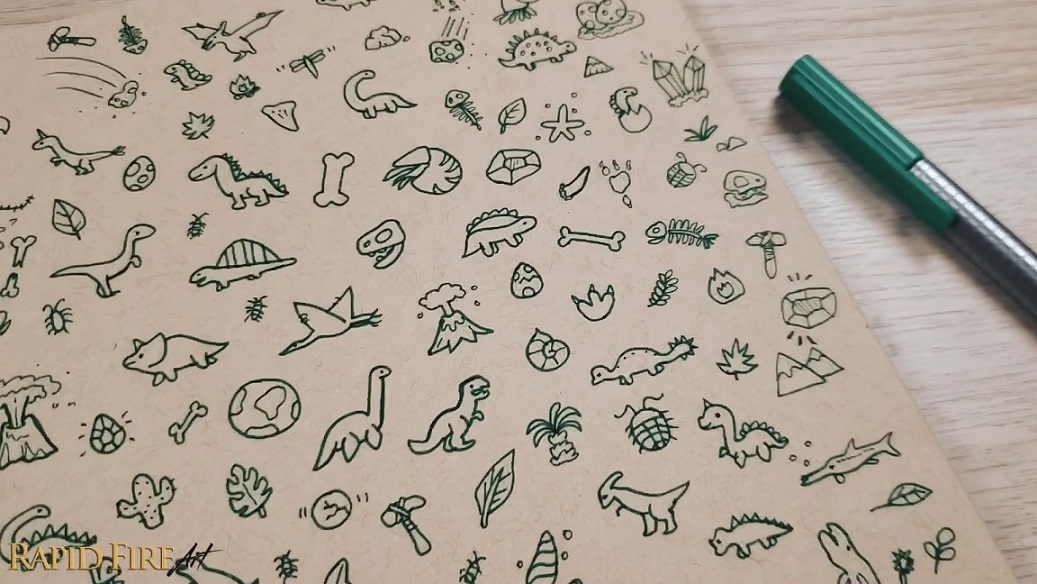
Try to fill a whole page with tiny doodles. Make it a fun challenge by sticking to a theme like:
- Prehistory
- Plants
- Transportation
- Space
- Food
- Going to the beach
- Or a super random theme like teeth!
I noticed that after the first 10 doodles, it started getting surprisingly difficult to come up with new ideas. But once I pushed past that point, my brain became weirdly addicted to the challenge! At first, I tried not to repeat the same drawing again, but once the page became so full, it didn’t feel like repeats would be noticeable. Plus, it was actually fun to redraw the same thing from a different angle or in a different pose.
Final Thoughts
When I’m stuck creatively, I’ve found it much more helpful to keep drawing in a low-pressure way instead of stepping away from art completely.
A lot of these exercises work because they remove the expectation of perfection. They let you experiment, make mistakes, explore weird ideas, and slowly rediscover the fun of drawing again.
So if you’re staring at a blank page and don’t know what to draw, try one of these ideas and just let yourself play.
Do you have any other fun ideas to share? I’d love to know! Leave a comment down below!
What’s Next?

Learn How to Make a Kneaded Eraser!
Did you know that you can make a putty-like eraser out of a solid one? It’s fun and super useful! Learn how.


Darlene created RFA In 2013 with the goal of sharing simple yet detailed drawing tutorials with other artists on the world wide web. She is a self taught pencil portrait artist and Youtuber.


