February 2026

How to Make DIY Models to Enhance Your Drawing Skills

Are you good at drawing facial features from the front or side but struggle with other angles? Today I’m going to share a quick and fun DIY method for making simple 3D models that you can move around to explore facial features from any angle. These are very rough models, just enough to help you think through placement and structure when reference photos aren’t available. You’ll still want to study real faces to draw them realistically, but this can make certain angles a lot easier to wrap your head around.

This eye model was made using a kneaded eraser.

If you don’t have any molding clay, Play-Doh or even a kneaded eraser, you can follow the recipe below to create something that feels similar to Play-Doh. If you already have molding clay, you can skip the recipe section and go straight to the section on how to form a 3D eye, nose, and head model.

Simple Non-Toxic PlayDoh Recipe

To make this non-toxic Play-Doh from scratch, you’ll need:

In a small bowl, mix the salt and flour well. Then add the dish soap in and mix again. You can add a few drops of food coloring if you like. Once the mixture starts clearing the sides of your bowl, feel free to get in there with your hands for a more thorough mix. I found this recipe just right for me, but since it’s likely we won’t be using the exact same ingredients, here are some troubleshooting tips for you:

  1. Mixture too dry? Add more dish soap
  2. Too wet? Add more flour
  3. Too crumbly? Use less salt

Our goal is to get a consistency that is easy to shape without falling apart, crumbling, or being overly sticky. Here’s a test! Can you create a pointy tip (like the end of a witch’s hat) without it falling apart? If it’s falling apart now, it will become worse as you play with it because exposure to air will dry it out further.

Notes: The salt acts as a preservative, so you can keep this Play-Doh in an airtight container for a few months without it getting moldy. Avoid using oil as a substitute for the dish soap because it can actually ruin your drawing if it comes in contact with your paper, even just briefly.

How to Form 3D Models of Facial Features

Making a 3D Eye Model

  1. Create the Eyeball: Roll a piece of Play-Doh into a ball and set it aside.
  2. Create the Eyelids: Roll another ball around the same size as the first one and flatten it down (don’t make it too thin or else it will be difficult to peel off your work surface. 3mm to 4mm worked nicely for me). Cut it in half using a straight edge such as a ruler or butterknife. These halves will be the top and bottom eyelids.
  3. Assemble the Eye: Place the two lids onto the ball, leaving a football-shaped opening to form the eye. Pinch the two lids together so they stay put.

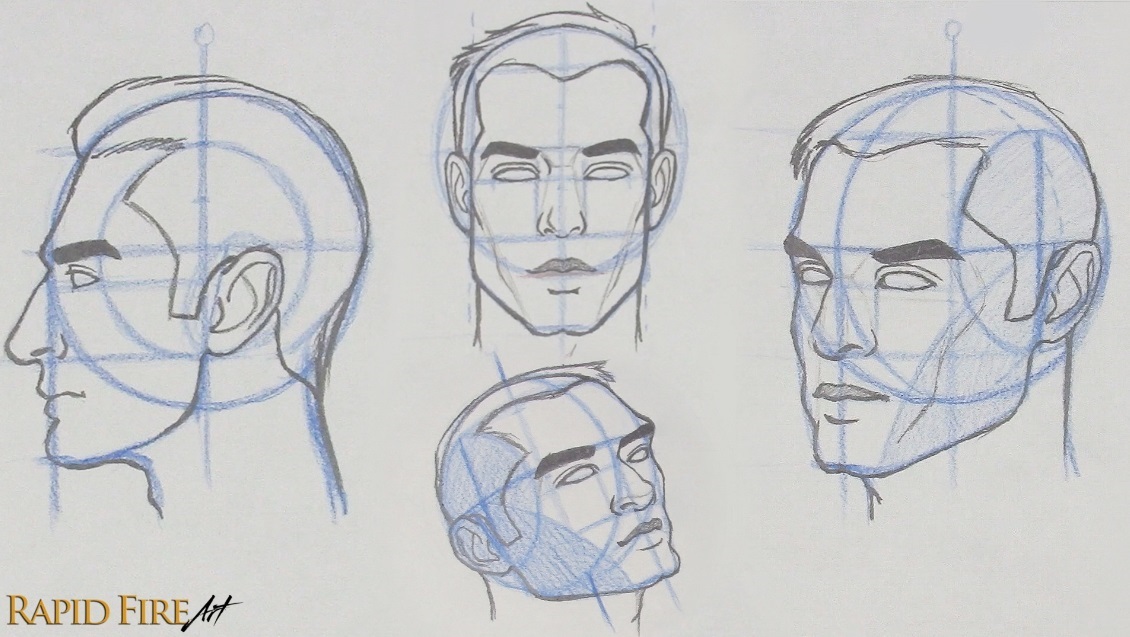
Think of this model as a sketching aid. Rotate it, explore an angle, then translate that view directly into your drawing. It was very helpful for me when practicing the Loomis head drawings.

Making a Nose Model

  1. Create the Base: Form a wedge shape with a trapezoid at the bottom.
  2. Add Nostrils: Attach two round pieces on the sides for the nostrils. Press them in until they look more like half-spheres.

A blocky model like this trains your eye to think in 3D rather than copying outlines and makes proportion or orientation errors easier to spot and fix. Keep it next to your desk as a handy reference tool.

Making a Model Head

  1. Prepare the Base: Make a ball using your play-doh or better yet, a styrofoam ball and pierce it with a toothpick through the very center.
  2. Mark the Lines: Draw a vertical and horizontal line around the ball, ensuring they form a 90-degree angle and that the vertical line goes through the North and South Pole.

These lines help inform where facial features should go when the head is tilted at any angle. Find out more by exploring my tutorials on drawing the head.
You can also convert this into an eye model to help with positioning your pupil correctly (the vertical and horizontal line marks the position of the pupil).
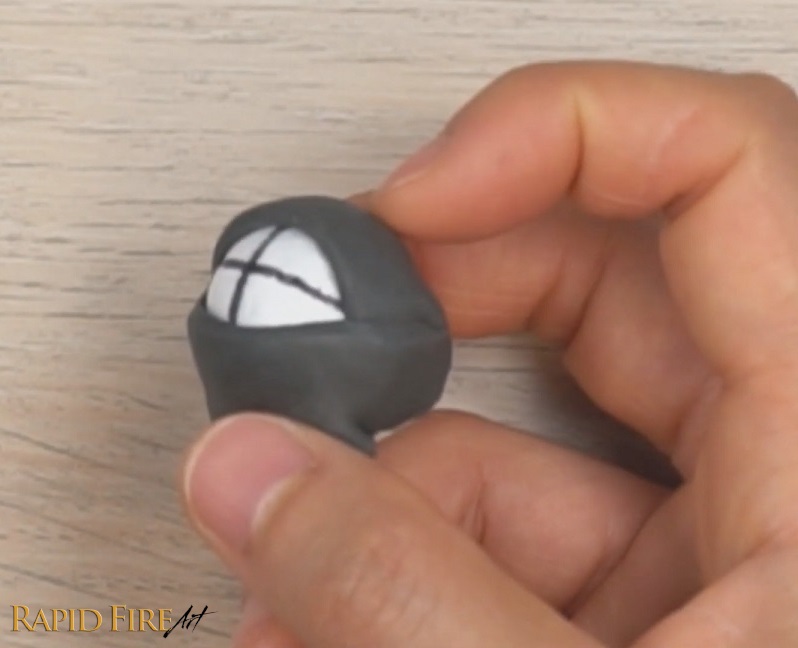
how to make an eye model for drawing reference

Using Your Drawing Models

These models are simplified representations of facial features and the head. They can help you understand how features might look from challenging angles, especially when your reference image isn’t clear or available. Rotate the model to study foreshortening and observe how planes shift or disappear from view. This kind of practice helps build a mental library for drawing from imagination, but it doesn’t replace studying real faces.

Maintaining Your Play-Doh

If your Play-Doh starts to dry out, remove hardened or flaky bits and then knead it well. Store it in an airtight container or Ziploc bag to keep it usable for months. For a longer-lasting alternative that doubles as an eraser, check out my tutorial on how to make putty erasers from common household items.

Hope you had as much fun making these as I did!

Darlene

How to Make DIY Models to Enhance Your Drawing Skills Read More »
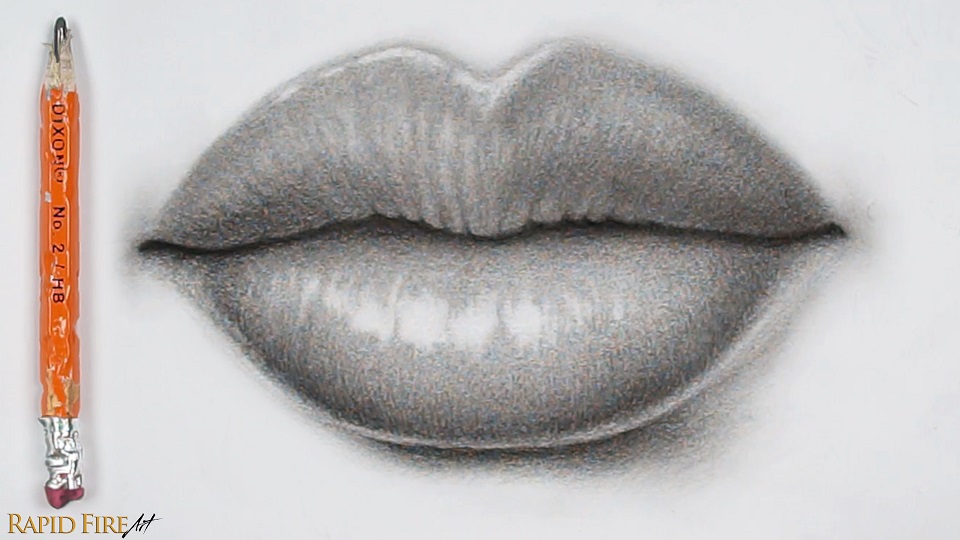
How to Draw Lips – 8 Steps | HB Pencil

How to Draw Realistic Lips Using HB Pencil

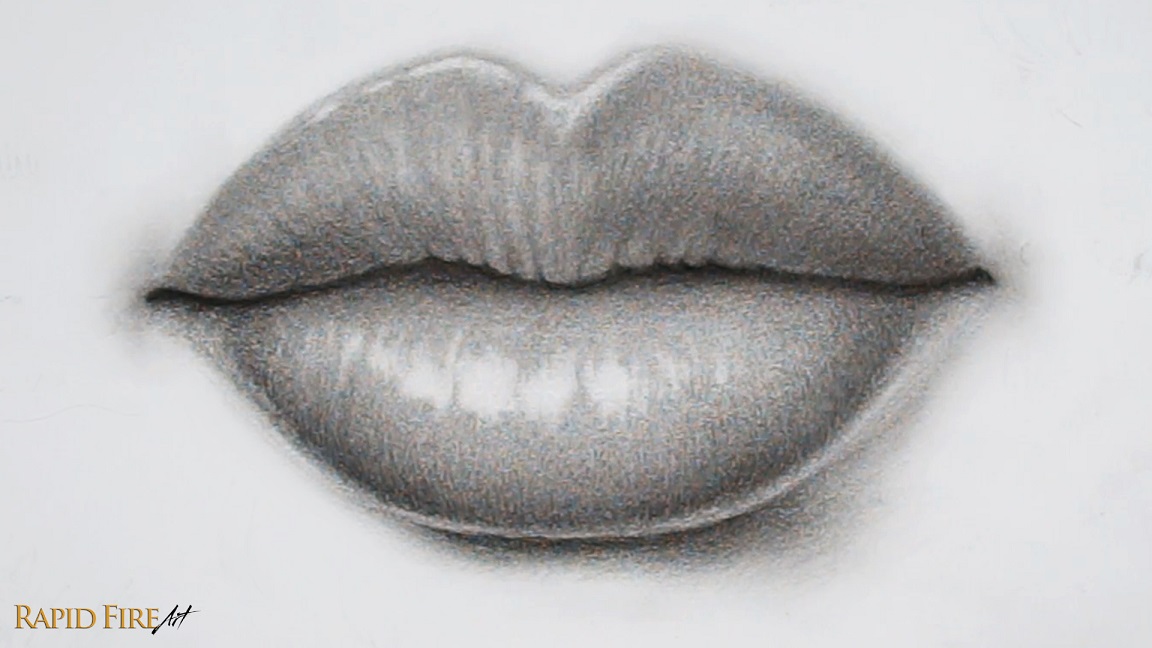
In this tutorial, I’ll be using a cheap HB pencil from the dollar store and a regular facial tissue to draw a pair of plump, realistic lips. This tutorial is adapted from my video instruction on Youtube and further simplified.

Tools:

  • Cheap Dixon dollar store HB pencil with eraser on the end
  • Ordinary facial tissue
  • Printer paper

Step 1: Lip Construction

How to Draw Lips HB Pencil

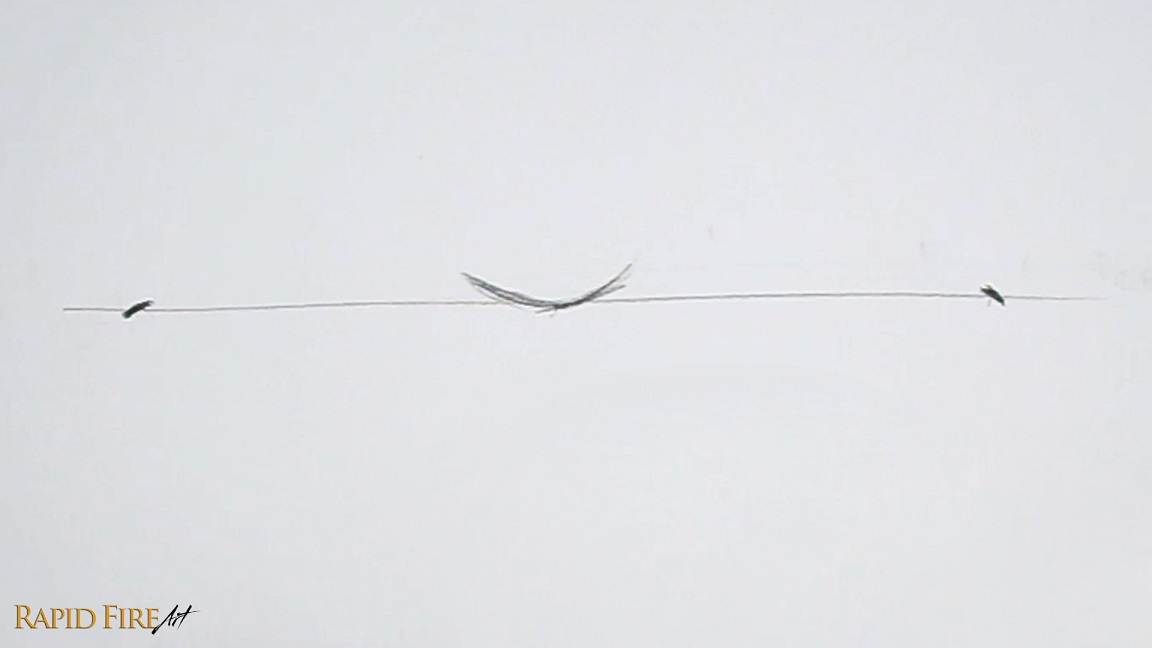
Start by drawing a long horizontal line across your page. In the middle, draw a shallow “U” shape. On each side, draw the corners of the mouth using little tick marks. Make sure they are spaced evenly apart.

Note: My line is approximately 18cm wide, in case you want to match it.

How to Draw Lips HB Pencil Construction

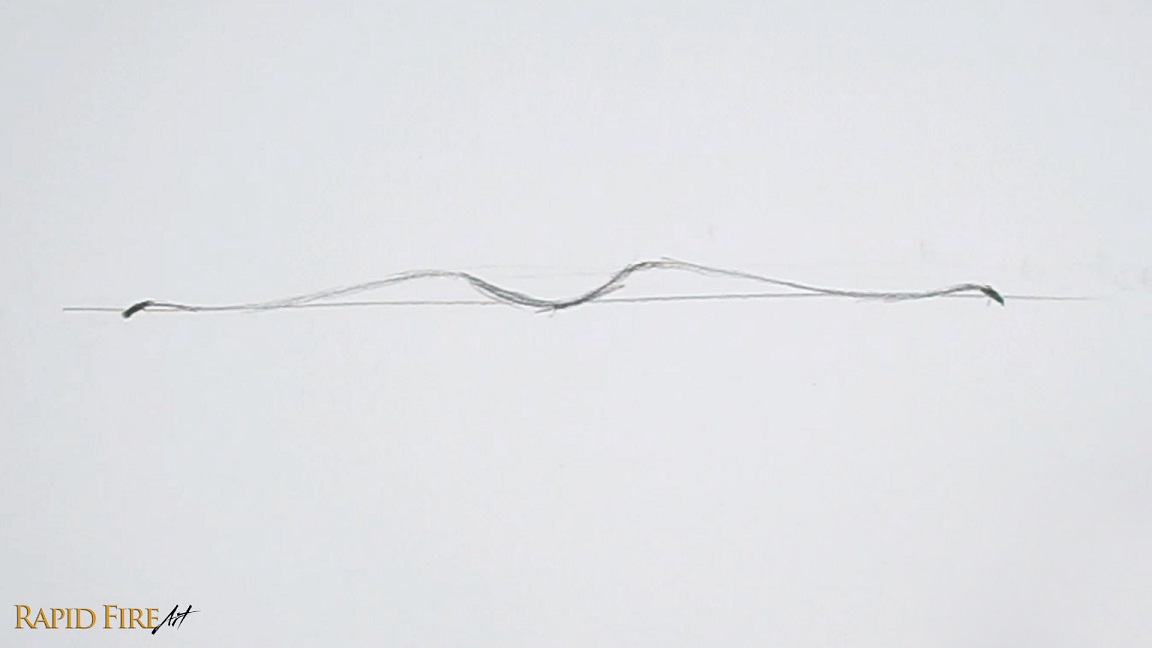
Now connect the shallow “U” and tick marks together using a wavy line. Once done, erase the horizontal line.

How to Draw Lips Outline

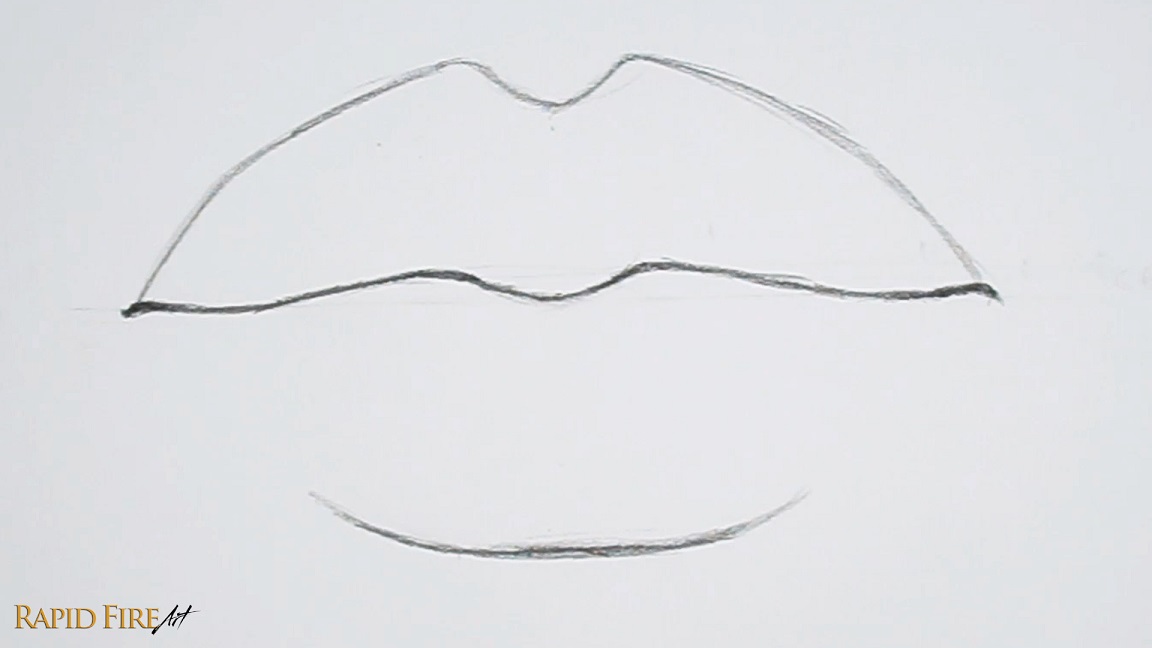
Draw the top and bottom lip. If you want to draw your lips narrower, you can reduce the vertical space.

Step 2: Shade Lip Base Layer

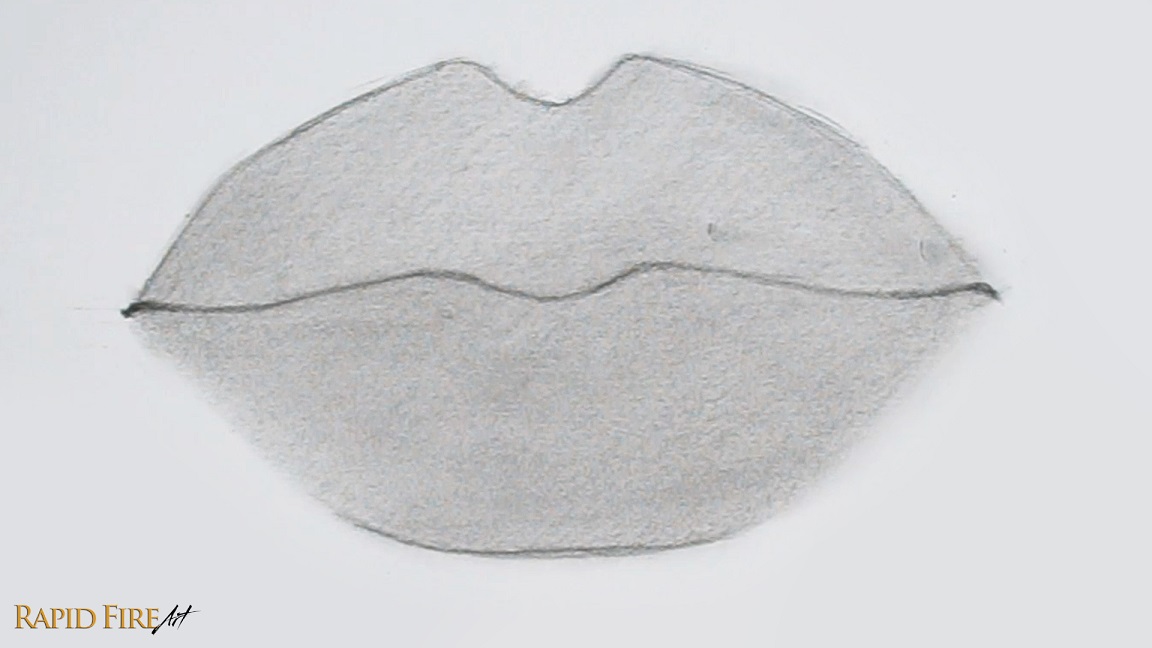
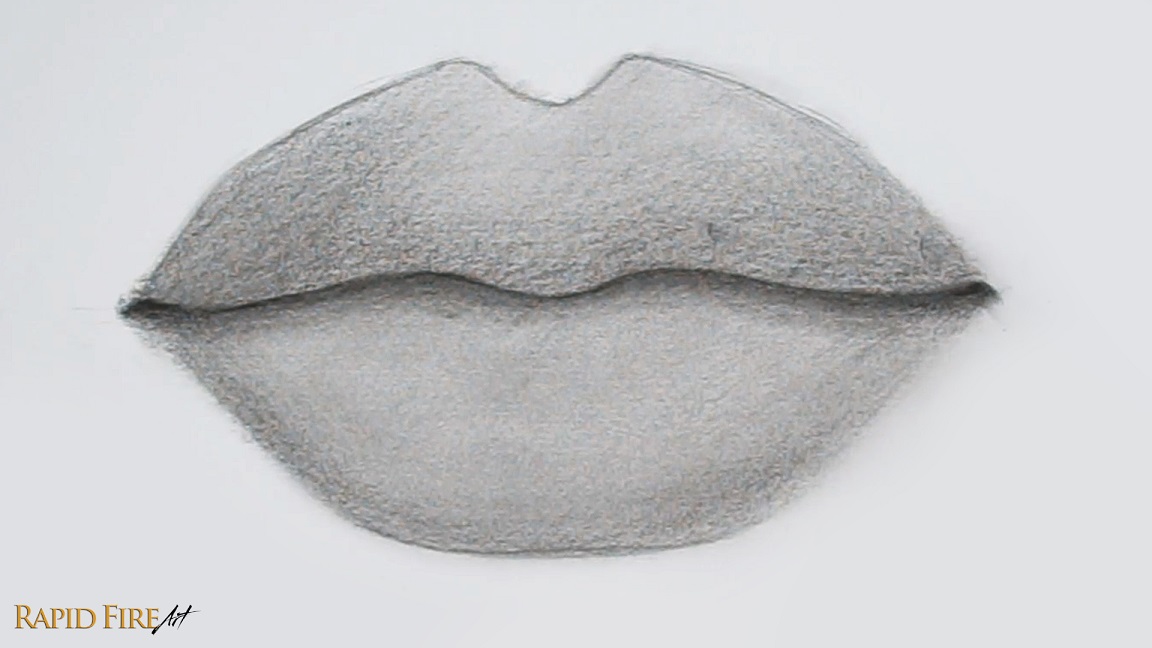
Sharpen your pencil to expose as much graphite as possible. Then use the side of your graphite to shade thick strokes across both lips. Just focus on shading a solid, medium tone. Keep your pencil strokes close together to reduce gaps and achieve a smooth shade.

Tip: Holding your pencil with an overhand grip versus a writing grip will help you achieve thicker strokes. Visit my shading tutorial to learn more.

Then blend using any tool of your choice. I’m using a regular facial tissue wrapped around the padded part of my index finger.

Step 3: Add Shadows

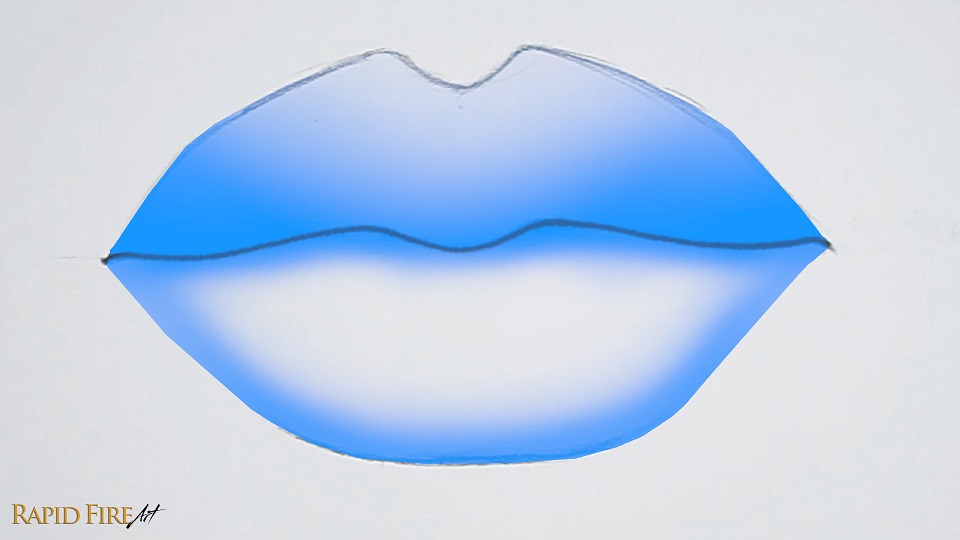
My imaginary light source is shining down from the top left. So I will shade the areas highlighted in blue a little bit darker to give the lips some shape. We will be shading them even more later.

How to Draw Lips_Shading

Blend again. Make sure to blend from light to dark to avoid smudging your work.

Step 4: Draw Lip Wrinkles

Let’s draw some lip wrinkles along the bottom of each lip to add some realistic texture to our drawing.

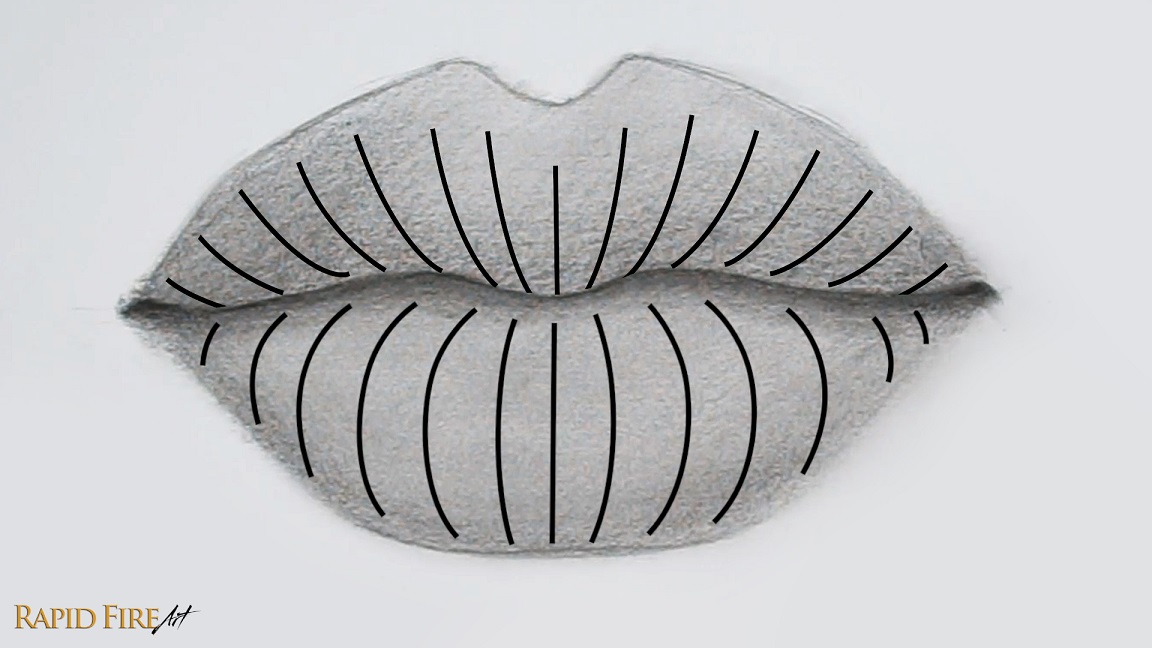
Lip Contour Lines For Drawing

The image above is a reference to help you see the contour of the lips. If you draw wrinkles using curved strokes like this, it will help support the illusion of plump lips. For this drawing, let’s mostly draw wrinkles along the bottom of each lip. Leave a tiny bit of space along the very bottom of each lip to account for reflected light.

How to Draw Lip_Wrinkles

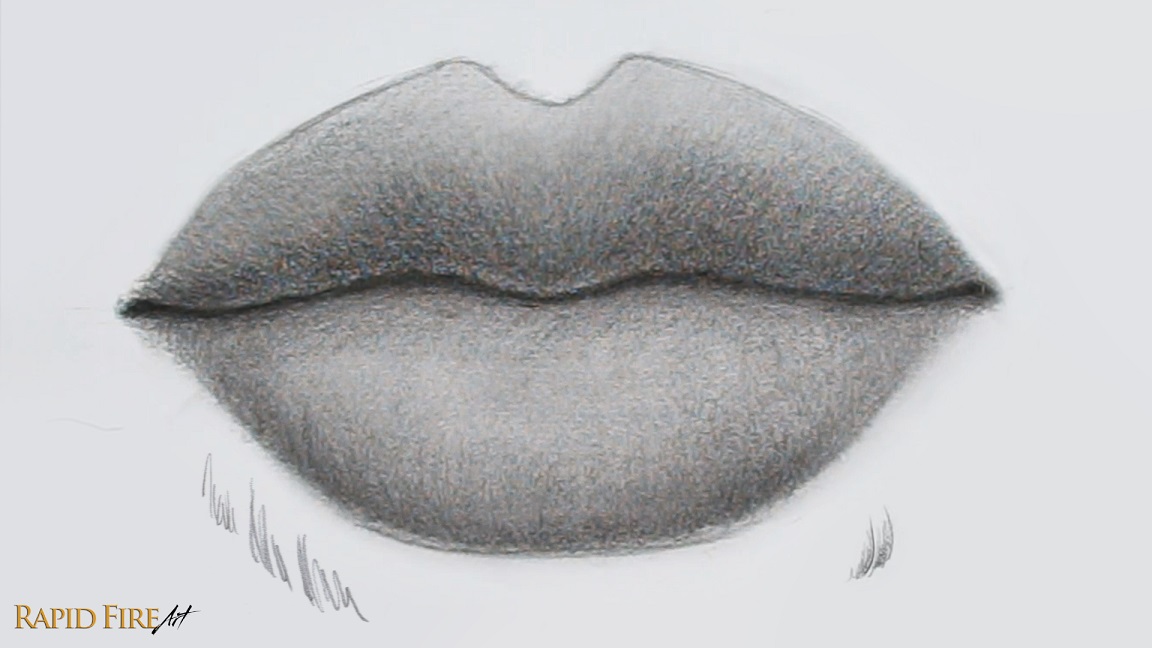
To draw wrinkles, use the tip of your pencil to get thin, clean lines. Vary the height and pressure of each line so the wrinkles can stand out and look natural. You can see an example of my strokes right below the drawing. Even though these marks look scribbly, layering several of them together creates surprisingly realistic wrinkles!

These new pencil strokes should double as shading to further shape the lips. So aim to draw these darker than the shadows you did in step 3. Try your best to fade out as you flick your strokes upward so the transition between light and dark is gradual.

If you want to soften up all these wrinkle textures so they are more subtle, blend your work slightly.

Step 5: Add More Shadows

How to Draw Lips HB Pencil_Cast shadow

Add a cast shadow below the bottom lip and blend it very well. Since our light source comes from the top left, the cast shadow will be seen mostly along the bottom right.

Check to see if the outline of your top lip is still visible. If it’s very apparent, lighten it as much as you can and then shade the lip a little darker until it disappears.

Since our light source comes from the top left, the right half of the top lip will be in shadow, so shade it a little darker.

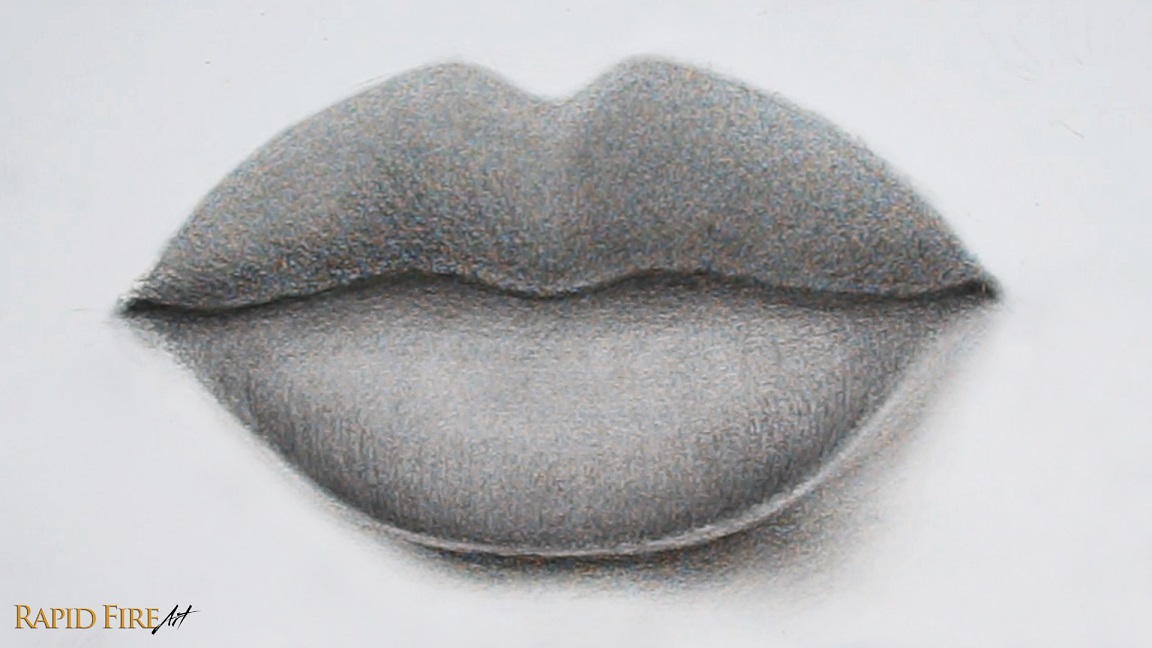
Step 6: Add Lip Wrinkles Using an Eraser

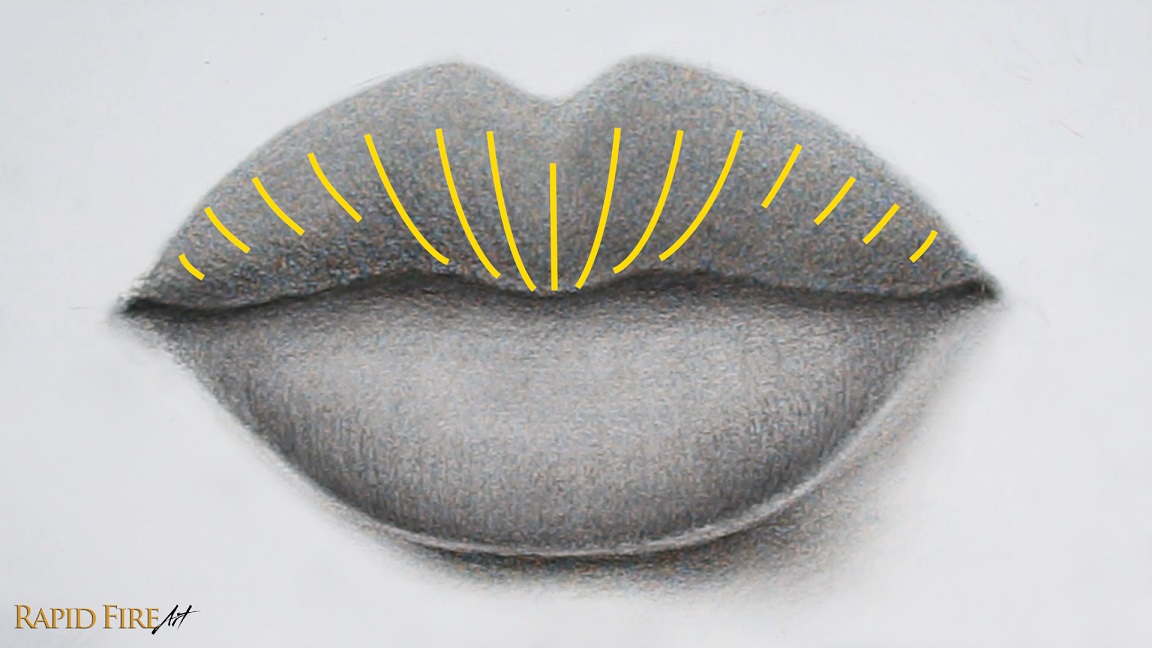
How to Draw Lips HB Pencil_Top Lip Wrinkle Contour Lines

Let’s go along the top lip using our eraser to give it some more shape and texture. I’m going to erase along the areas highlighted in yellow. Curve each stroke to follow the contour of the lip like we did in step 4.

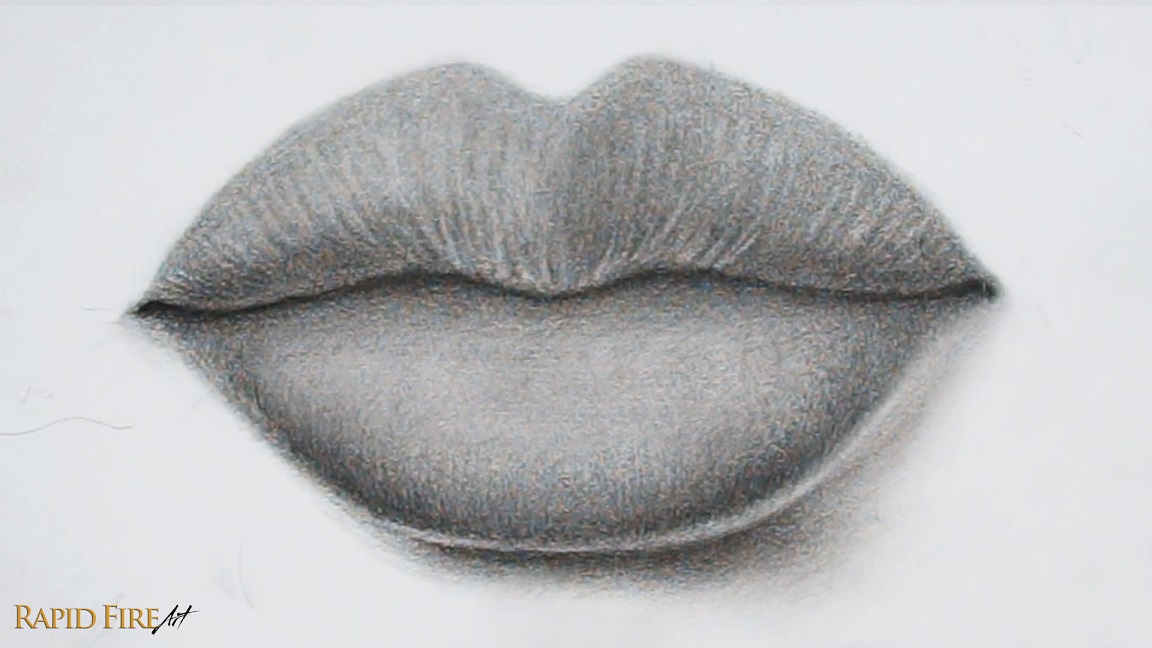
How to Draw Lips HB Pencil_Top Lip Wrinkles

Group your strokes close together and vary the length of each one, trying not to create a noticeable pattern.

Tip: Use your eraser like how you would normally draw, using light pressure to erase subtly and more pressure to erase brighter strokes.

Once done, blend to make the wrinkle lines appear softer and more natural.

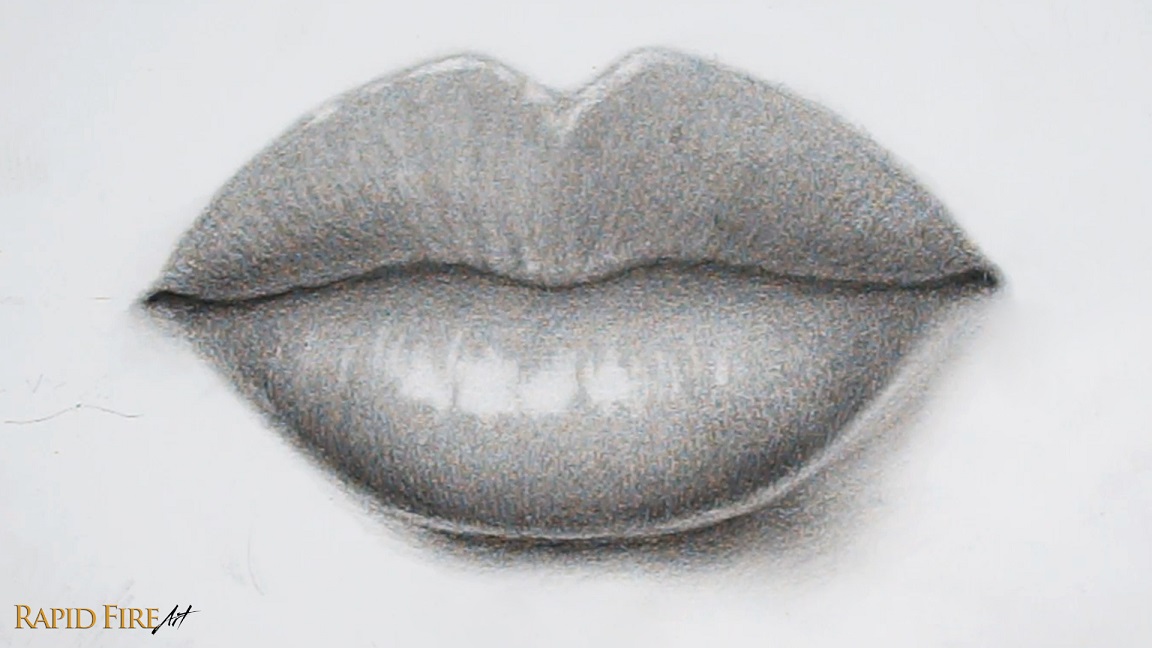
Step 7: Add Highlights

How to Draw Lips HB Pencil_Highlights

Highlights are the brightest areas of our subject, where the light source hits directly. Since our imaginary light source comes from the top left, we’ll avoid placing highlights along the bottom or right side of the lips.

I’m using an eraser to create these details. Vary your strokes so you have a variety of long, short, wide, and narrow ones. If you want your lips to look glossy, make the highlights more connected.

When making vertical highlights, curve your strokes to follow the contour of the lip (refer to the contour lines from step 4).

Step 8: Additional Details

How to Draw Realistic Lips HB Pencil

Optionally, you can make the skin of your top lip appear bunched up.

How to Draw Lip Wrinkles

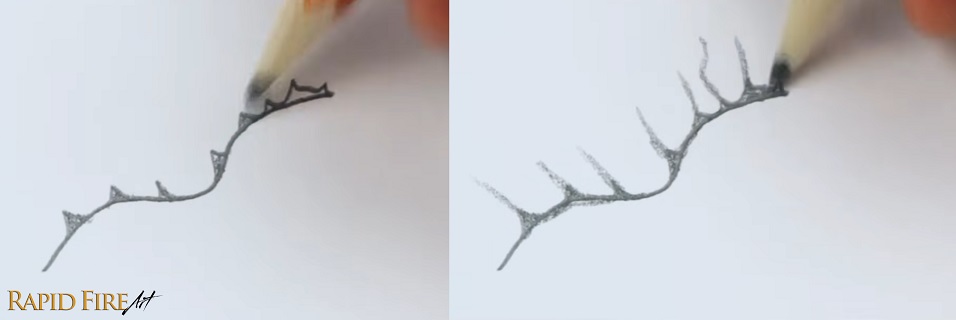
This can be done by first drawing triangle shapes along the bottom edge, avoiding the sides of the lip. Then, from the top of each triangle, flick your pencil up to create deep wrinkle lines that fade out at the top.

If you already have some prominent wrinkles along your top lip, pick a few and draw your triangles at the base of each.

Between each of these new wrinkles, lighten the skin slightly to make the surface look raised.

A few more tweaks…

If you want to make your drawing pop more, you can increase the contrast by making sure the highlights are as light as you can get them and darken your shadows even more to improve depth.

Around the corners of the lips, shade slightly and then blend well to achieve a very slight dip in the skin. You can blend around the outer edge of both lips to soften them.

I hope this tutorial on how to draw realistic lips using an HB pencil was clear and easy to follow. If you got stuck or need clarification on any steps, please check out the original video tutorial where I walk you through each step and explain things in more detail with additional examples.

Happy drawing!!

Darlene

How to Draw Lips – 8 Steps | HB Pencil Read More »

Scroll to Top